
Needle Holders Surgical Instruments
Needle holders.
Showing 5 products in Needle Holders
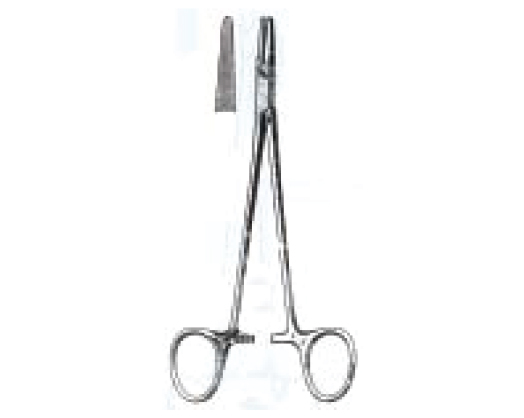
INS25-150 CRILEMURRAY
Request a Quote
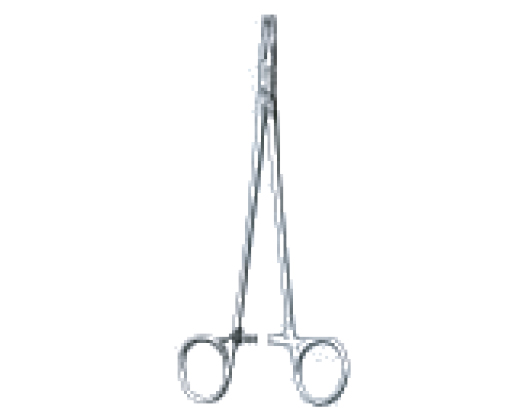
INS25-130 MAYO HEGAR
Request a Quote
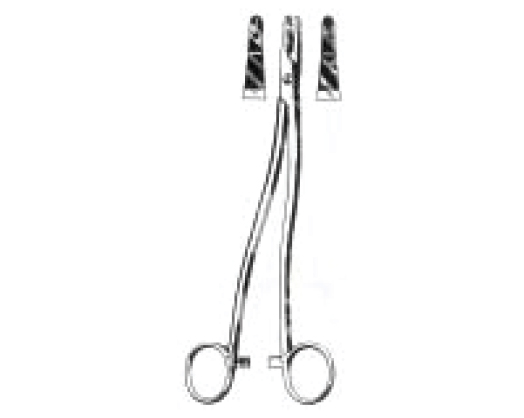
INS25-200 BOZEMAN
Request a Quote
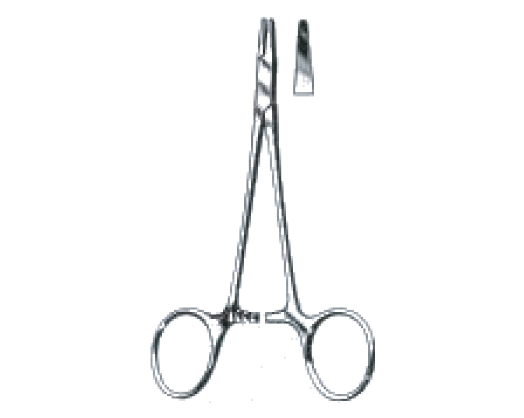
INS25-120 WEBSTER
Request a Quote
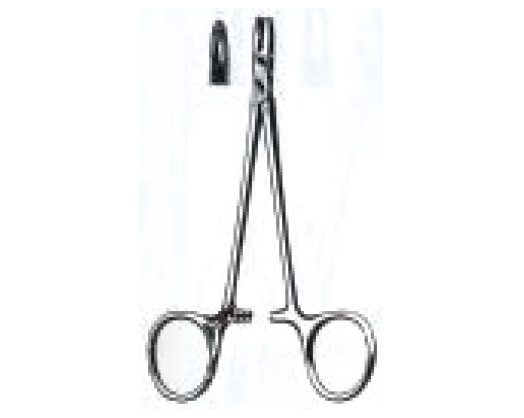
INS25-100 DERF
Request a Quote
Needle Holders Products in Kenya
Needle holders are essential surgical instruments used to securely grip needles during suturing procedures.
At GM Medical, we offer a comprehensive range of needle holders designed for hospitals, clinics, and healthcare facilities in Nairobi and throughout Kenya.
Our needle holders adhere to stringent quality standards and are certified for use in medical environments.
These instruments are crafted to ensure precision and control, which are critical during various surgical interventions.
With a variety of sizes and designs available, our needle holders cater to the diverse needs of healthcare professionals.
Each product is manufactured to meet professional standards, ensuring reliability and safety in surgical settings.
By choosing GM Medical, you are investing in high-quality medical equipment that supports effective patient care.
For more information on our needle holders and other surgical instruments, please contact GM Medical today.
Frequently Asked Questions
What is a needle holder?
A needle holder is defined as an instrument that holds suture needles and provides control for inserting them, with options for nonlocking or locking mechanisms, and some featuring spring-loaded handles or thumb releases for larger needles..
What is the difference between a needle driver and a needle holder?
Needle drivers, or needle holders, are used to grasp and manipulate needles to enable free-hand suturing of wounds or surgical incisions within the body during laparoscopic procedures. Laparoscopic needle drivers typically comprise a long narrow shaft, with a handle at one end and a set of hinged jaws at the other..
What are the five basic components of a needle holder?
the jaws, the box lock and its pin, the shank, the handles ,and. the ratchet locking mechanism..
What is a needle holder called in sewing?
A needlecase or needle case is a small, often decorative, holder for sewing needles. Early needlecases were usually small tubular containers of bone, wood, or bronze with tight-fitting stoppers, often designed to hang from a belt..