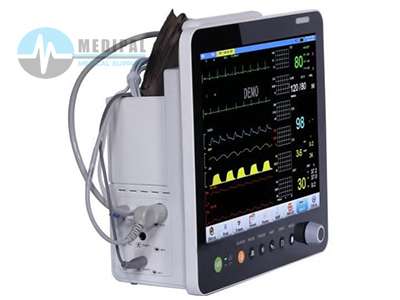
Patient Monitor
Request a Quote
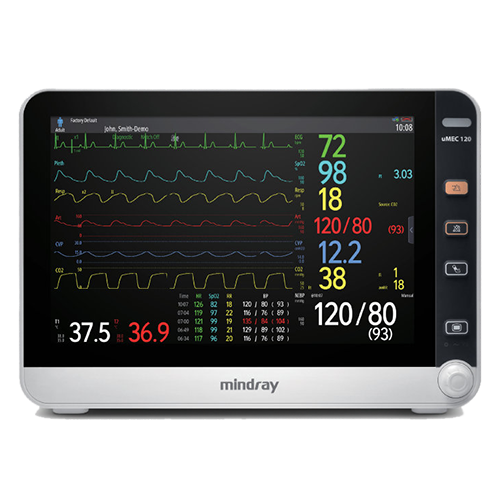
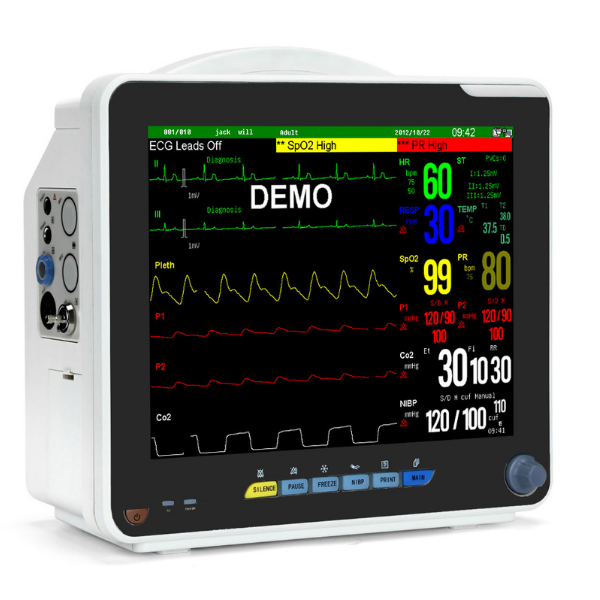
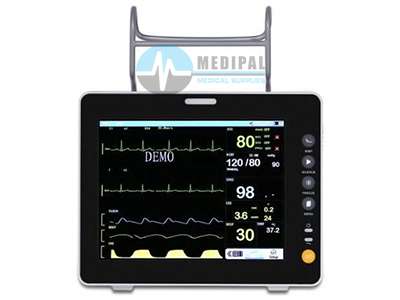
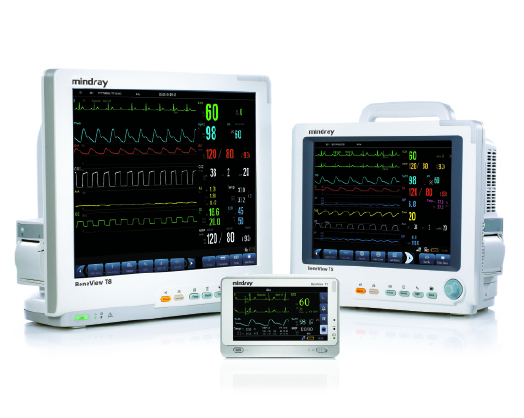
The Patient Monitor Model AML9000 D is utilized for continuous monitoring of vital signs and patient parameters in medical settings.
Request a QuoteProduct Overview
The Patient Monitor Model AML9000 D is designed for continuous monitoring of vital signs, including heart rate, blood pressure, and oxygen saturation.
This device features a clear display for easy reading and a compact design for versatile use.
It includes alarms for critical values and supports various sensor connections.
The monitor operates on both AC power and rechargeable batteries, ensuring reliability in different settings.
Applications & Use Cases
This patient monitor is used for tracking vital signs in hospitals, clinics, and home healthcare environments in Nairobi and across Kenya.
Healthcare professionals such as nurses and doctors utilize it during surgeries, routine check-ups, and emergency situations.
Its portability makes it suitable for both stationary and mobile patient care.
Care & Maintenance
To ensure the longevity of the AML9000 D, clean the device regularly with a soft, damp cloth and mild disinfectant.
Avoid using abrasive materials that could damage the surface.
Store the monitor in a dry place when not in use and ensure it is turned off.
Regularly check battery health and replace as needed to maintain optimal performance.
Frequently Asked Questions
How much does a patient monitor cost?
New patient monitors typically range in price from $1,000 to $20,000, depending on the device's functionality, screen size, and integrated features like wireless connectivity or additional parameter measurements..
What is a patient monitor used for?
Philips patient monitors support early diagnosis, accelerate care and enable informed decision-making across hospital environments. Continuous monitors provide critical information in acute settings, while vital sign monitors deliver comprehensive data in general care..
What are the 7 parameters of patient monitor?
It tracks seven vital parameters, including ECG, SpO2, NIBP, temperature, respiration, pulse rate, and CO2 levels, offering a complete picture of patient health..