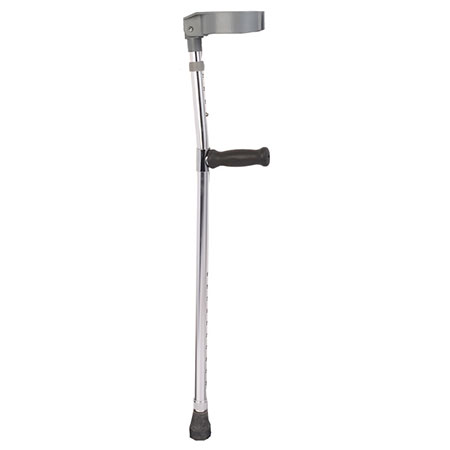
Product Overview
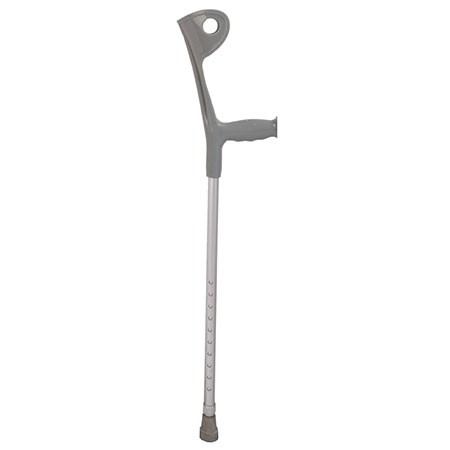
Elbow crutches are mobility aids designed to assist individuals with walking difficulties.
These crutches feature padded armrests and adjustable height settings for user comfort.
Constructed from durable materials, they provide stable support for users during rehabilitation or recovery.
Each pair is lightweight, making them easy to transport and use in various environments.
Applications & Use Cases
Elbow crutches are commonly used by individuals recovering from lower limb injuries or surgeries.
They are suitable for patients in hospitals, clinics, and home healthcare settings throughout Kenya.
This mobility aid is ideal for elderly users and those with chronic conditions affecting mobility.
Healthcare professionals often recommend them to enhance patient mobility and independence.
Care & Maintenance
To ensure longevity, store elbow crutches in a dry, cool place when not in use.
Clean the crutches regularly with a damp cloth and mild detergent to prevent the buildup of dirt.
Check for any signs of wear or damage, particularly on the armrests and grips.
Adjust the height as needed for optimal comfort and support during use.
Frequently Asked Questions
How much is the elbow crutch in Kenya?
KSh1,350. KSh1,100. An elbow crutch, also known as a forearm crutch, is a mobility aid that transfers weight from the legs to the upper body.
Are open cuff crutches better?
Open-Cuff Elbow Crutches They're great for the permanently disabled because they allow more precise movements and make going up stairs much easier. Due to the lack of a closed guard, Open-Cuff Elbow Crutches are easy to pick up and put down..
What are the crutches with arm cuffs called?
Forearm crutches: You might see these called elbow or Lofstrand crutches. They have a supportive cuff that fits around the back of your upper arm, just above your elbow, and a handgrip. They're usually shorter than underarm crutches.
What is another name for elbow crutches?
An elbow crutch, also known as a forearm crutch or Canadian crutch, is a mobility aid used by individuals with mobility limitations, temporary injuries, or disabilities to assist with walking and weight-bearing..